
How to assess air quality after a flood in Marietta
Assessing air quality after a flood in Marietta is crucial for health. This guide covers methods and tips for ensuring safety.
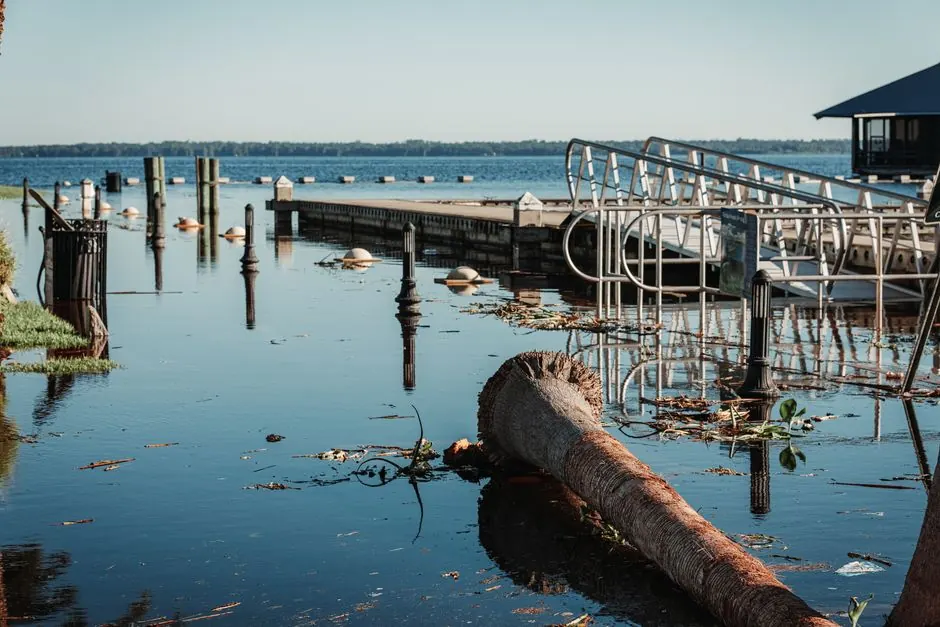
Assessing air quality after a flood in Marietta is essential to ensure the safety and health of your home environment. Poor air quality can lead to respiratory issues and other health problems, making it crucial to monitor and address any potential hazards.
This guide will cover the importance of air quality assessment, signs of poor air quality, methods for testing, and steps to take if you find contaminants in your home.
Why is air quality assessment important?
Air quality assessment is the process of evaluating the presence of pollutants and allergens in the air. After a flood, contaminants such as mold, bacteria, and chemicals can infiltrate your indoor environment, increasing the risk of health complications.
What are the signs of poor air quality?
Detecting signs of poor air quality can help you take timely action. Common indicators include:
- Musty odors, which may indicate mold growth.
- Increased allergy symptoms, such as sneezing, coughing, or itchy eyes.
- Visible mold or mildew on walls, ceilings, or furniture.
- Excessive humidity levels, typically above 60%.
How to test air quality after a flood
Testing air quality after a flood involves several steps to ensure thorough evaluation:
- Visual Inspection: Begin with a visual inspection of your home. Look for any signs of water damage, mold, or mildew.
- Humidity Measurement: Use a hygrometer to measure indoor humidity levels. Ideally, humidity should be between 30% and 50%.
- Air Quality Testing Kits: Purchase an air quality testing kit that can measure mold spores, volatile organic compounds (VOCs), and other pollutants. Follow the instructions carefully.
- Professional Testing: Consider hiring a professional for Air Quality Testing in Marietta. Professionals can provide a comprehensive assessment and identify hidden issues.
What to do if air quality is poor?
If you discover poor air quality, take immediate action:
- Ventilation: Open windows and doors to improve air circulation. Use fans to help dissipate contaminants.
- Dehumidification: Utilize dehumidifiers to reduce moisture levels in the air. This can help prevent mold growth.
- Mold Remediation: If mold is present, contact professionals for Mold Remediation Services Marietta. They can safely remove mold and prevent it from returning.
- Regular Cleaning: Clean surfaces frequently to remove dust and allergens. Use a vacuum with a HEPA filter for best results.
Common mistakes when assessing air quality
Many homeowners make mistakes when assessing air quality after a flood. Some common errors include:
- Neglecting to check hidden areas like attics or basements where moisture may linger.
- Overlooking humidity levels, which can significantly affect air quality.
- Relying solely on visual inspections without conducting air quality tests.
When to call a professional
If you are unsure about the air quality in your home or find significant issues, it's wise to consult with professionals. Water Damage Restoration Mariett offers comprehensive assessments and remediation services to ensure your home is safe and healthy.
Frequently Asked Questions
1. How often should I test my air quality after a flood? It's advisable to test the air quality every few weeks for at least three months after a flood to monitor for any changes.
2. What are the costs associated with air quality testing? In 2026, professional air quality testing can range from $200 to $800, depending on the extent of the assessment and location.
3. Can I test air quality myself? Yes, you can use an air quality testing kit available at home improvement stores, but professional testing is more thorough.
4. What health issues can arise from poor air quality? Poor air quality can lead to respiratory issues, allergies, asthma attacks, and other health complications.
5. How long does it take to remediate mold? Mold remediation can take from a few days to several weeks, depending on the extent of the contamination.